





What is Hantavirus?
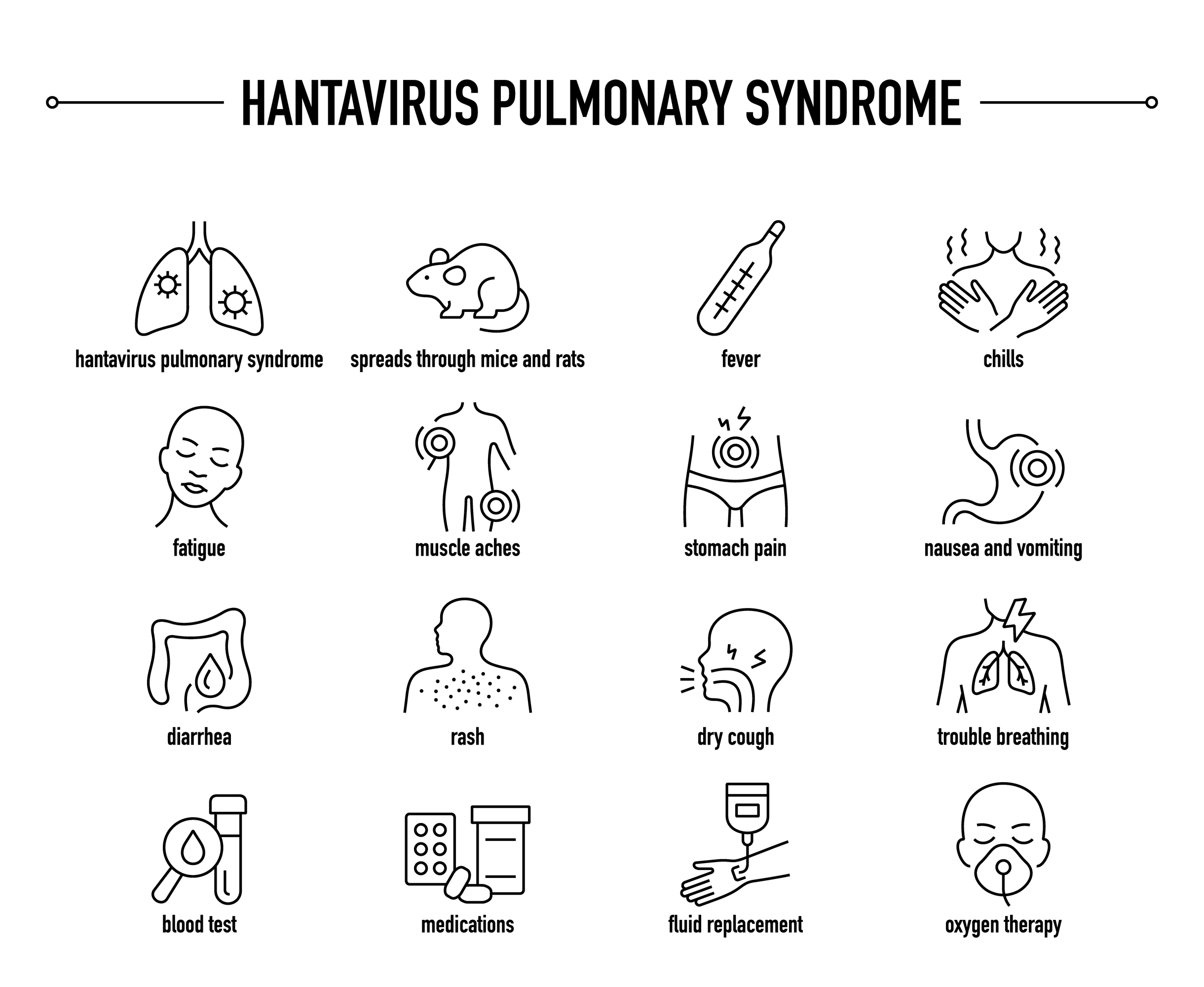
Hantavirus is a genus of viruses belonging to the Bunyaviridae family, discovered in 1976 during an outbreak in the Hantaan River region of Korea. The virus causes two distinct syndromes: Hantavirus Pulmonary Syndrome (HPS) in the Americas, and Hemorrhagic Fever with Renal Syndrome (HFRS) primarily in Asia and Europe. HFRS is more commonly associated with rodent exposure in Asian regions.
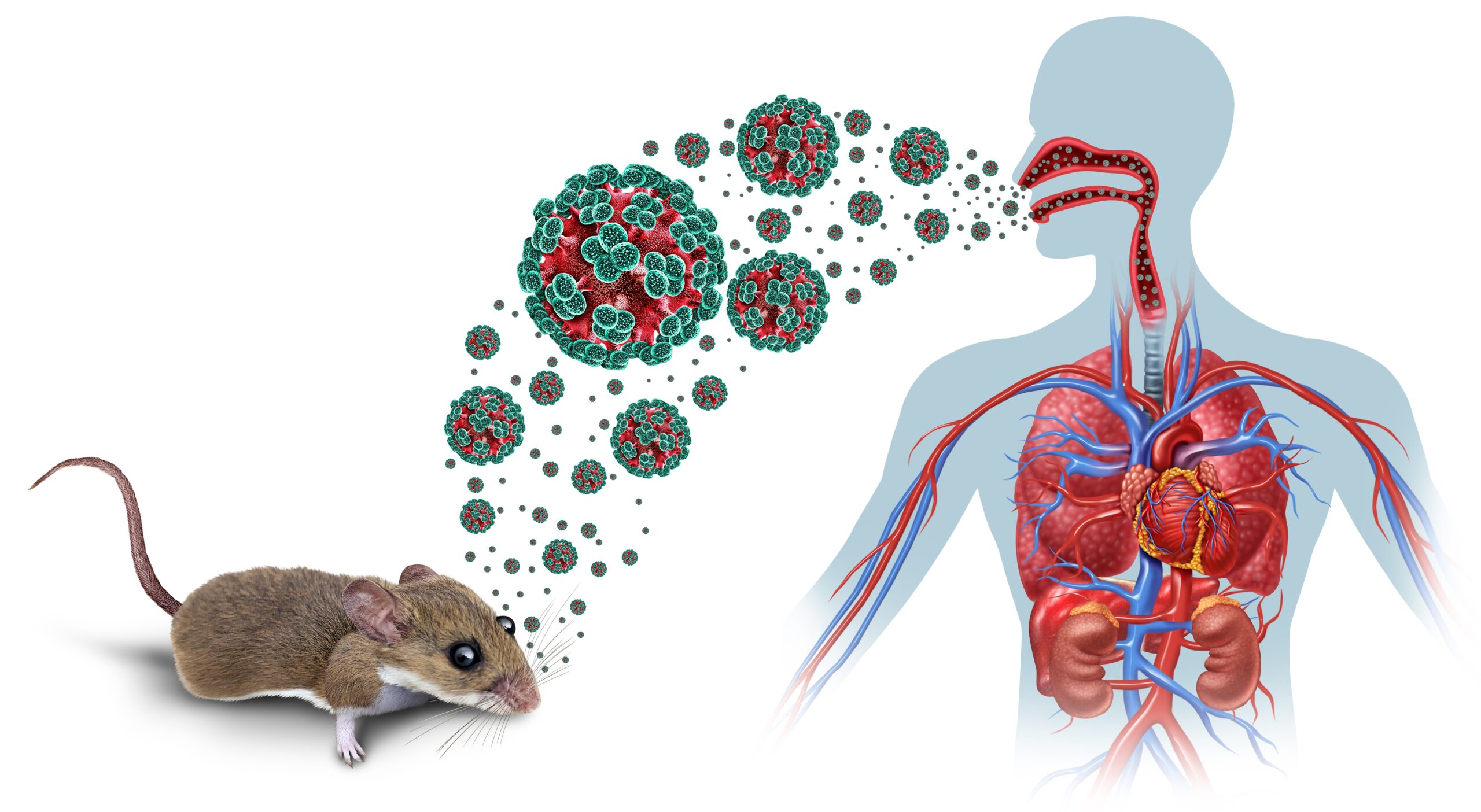
The virus is carried asymptomatically by infected rodents, particularly deer mice, field mice, and rats. Humans become infected through inhalation of virus-containing aerosolized particles from rodent urine, feces, or saliva. Person-to-person transmission is extremely rare, except in cases of Andes virus (a Hantavirus variant found in South America), reducing the risk of healthcare-associated spread when standard precautions are followed.
According to the Centers for Disease Control and Prevention (CDC), there are at least 30 identified Hantavirus species worldwide, with varying severity. HFRS mortality rates range from 1 to 15%, depending on the viral strain and access to timely medical care. Early hospitalization and supportive care significantly improve outcomes.
Transmission & Risk Factors
Hantavirus transmission occurs exclusively through inhalation of viral particles, not through bites or direct contact with infected animals. The primary route is aerosolized exposure to contaminated rodent feces, urine, or saliva. Activities that disturb rodent habitats, such as cleaning attics, entering abandoned buildings, or working in agricultural settings, carry the highest risk.
Occupational exposure is the leading cause of HFRS in endemic countries like China, Korea, and Scandinavia. Healthcare workers and laboratory personnel handling infected blood or tissue require strict biosafety protocols and standard/contact precautions.
Symptoms & Clinical Presentation
Hantavirus symptoms typically appear 1 to 8 weeks (average 2 to 4 weeks) after exposure. The incubation period can extend up to 8 weeks in some cases, making epidemiologic investigation critical. HFRS follows a biphasic course with distinct clinical phases.
Febrile Phase (Days 1 to 5)
- Sudden onset high fever (38 to 40°C)
- Severe headache and body aches
- Chills and fatigue
- Nausea, vomiting, and abdominal pain
- Facial flushing and conjunctival injection (red eyes without discharge)
Hypotensive/Critical Phase (Days 5 to 7)
- Fever may briefly improve, followed by sudden drop in blood pressure
- Acute kidney injury (oliguria or anuria)
- Hemorrhagic manifestations: petechiae, ecchymosis, mucosal bleeding
- Pulmonary edema (in HPS variant)
- Shock and multi-organ failure in severe cases
Recovery Phase (Days 7 to 30)
- Gradual improvement in renal function
- Diuresis (polyuria)
- Recovery of blood pressure and cardiac output
Mortality in untreated HFRS ranges from 1 to 15%, with most deaths occurring during the hypotensive phase due to shock and renal failure. Rapid diagnosis and aggressive supportive care reduce mortality to less than 5% in hospitalized patients.
Diagnosis
Clinical diagnosis is challenging because early Hantavirus symptoms mimic influenza, dengue, or other viral hemorrhagic fevers. A detailed occupational and epidemiologic history (recent rodent exposure, geographic location, occupational activities) is essential. Laboratory confirmation is required for definitive diagnosis.
Diagnosis should be suspected in patients with fever, thrombocytopenia, acute kidney injury, and recent rodent exposure. Contact your nearest infectious disease specialist immediately if Hantavirus is suspected.
Treatment & Management
No specific antiviral treatment exists for Hantavirus. Management is entirely supportive, with aggressive fluid and electrolyte management, renal monitoring, and treatment of complications. Early hospitalization in an intensive care setting significantly improves survival outcomes.
Supportive Care Measures
- Fluid Management: Careful fluid balance to avoid pulmonary edema while maintaining renal perfusion.
- Dialysis: Hemodialysis or continuous renal replacement therapy (CRRT) for acute kidney injury and fluid overload.
- Vasopressor Support: Inotropic agents for hypotension and shock during the critical phase.
- Transfusion: Fresh frozen plasma or platelets for hemorrhagic manifestations and thrombocytopenia.
- Respiratory Support: Mechanical ventilation for pulmonary edema or respiratory failure.
Mar Sleeva Medicity Palai's Internal Medicine and Critical Care departments are equipped with ICU beds, hemodialysis facilities, and experienced teams trained in managing viral hemorrhagic fevers.
Prevention
Since no vaccine is widely available and treatment is supportive, prevention through rodent control and exposure avoidance is paramount.
Environmental Control
- Eliminate rodent food sources by storing grains and garbage in sealed rodent-proof containers.
- Seal cracks and holes larger than 0.5 cm in walls, foundations, and gaps around pipes.
- Use traps rather than poisons; trapping prevents accumulation of dead rodents.
- Maintain clean spaces free of clutter where rodents can nest.
Safe Cleanup Procedures
- Wear N95 respirator, gloves, and eye protection when cleaning areas with rodent droppings.
- Spray contaminated areas with disinfectant and allow 5 minutes contact time before cleanup.
- Use damp methods to minimize aerosolization of viral particles.
- Place contaminated materials in sealed bags for biohazardous waste disposal.
Expert Care for Suspected Hantavirus Infection
If you have symptoms following rodent exposure, seek immediate medical evaluation. Our Internal Medicine and Intensive Care teams are equipped to manage Hantavirus.
Frequently Asked Questions
Is Hantavirus common in India?
Hantavirus is extremely rare in India. Most documented cases occur in East Asia (China, Korea, Russia), Scandinavia, and the Americas.
Can Hantavirus spread from person to person?
Transmission between people is extremely rare with most Hantavirus species. Standard and contact precautions are adequate in healthcare settings.
How long after exposure do symptoms appear?
The incubation period is typically 2 to 4 weeks, but can range from 1 to 8 weeks after rodent exposure.
What is the mortality rate for Hantavirus?
Untreated HFRS has a mortality rate of 1 to 15%. With early hospitalization and supportive care, mortality can be reduced to less than 5%.
Is there a vaccine for Hantavirus?
No widely available vaccine exists for Hantavirus. Prevention focuses on rodent avoidance and environmental control.
Can Hantavirus be treated?
There is no specific antiviral cure. Treatment is supportive with fluid management, dialysis, and intensive monitoring.
What should I do if I find dead rodents?
Do not touch dead rodents. Wear gloves, N95 mask, and eye protection. Spray the area with disinfectant, allow 5 minutes, then place in a sealed bag.