







The Silent Epidemic: How Stress and High Blood Pressure Threaten Heart Health



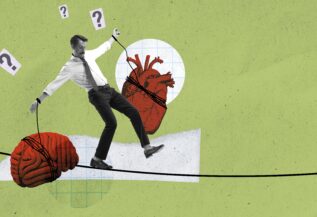
Work pressures are causing increased mental stress and sleep disturbances for many. A growing number of individuals, particularly young adults, are consulting doctors with these exact complaints. This excessive tension and elevated blood pressure severely impact cardiovascular health. If left unmanaged, these conditions gradually lead to chronic diseases, making it essential to keep them under control.
How Does Stress Lead to High Blood Pressure?
When you constantly work under stressful conditions or frequently face anxiety inducing situations, the body releases hormones like adrenaline and cortisol. This gradual accumulation causes a temporary spike in your heart rate and blood pressure. Those who regularly experience this kind of strain are highly susceptible to developing chronic hypertension. Furthermore, this can trigger a variety of other health issues, including headaches, severe fatigue, digestive disorders, stomach discomfort, and a weakened immune system.
Overthinking and Unhealthy Habits
Individuals dealing with severe anxiety often turn to unhealthy coping mechanisms for relief. The most noticeable changes usually occur in their dietary habits. Consuming foods high in salt, such as pickles, papads, and dried fish, significantly raises blood pressure. Those who resort to alcohol to ease their tension will also see a dangerous increase in their blood pressure levels. Similarly, attempting to find solace through smoking is highly hazardous, as tobacco use is a primary culprit behind elevated blood pressure.
Avoiding exercise due to mental exhaustion only increases physical fatigue and paves the way for further illnesses. For those enduring chronic stress, the resulting high blood pressure can ultimately lead to severe diseases affecting the heart, blood vessels, and kidneys. It also drastically increases the risk of heart attacks and strokes.
Managing Stress to Protect Your Health
Dietary Guidelines
- Reduce the intake of fried foods and meals rich in unhealthy fats.
- Lower your daily salt consumption.
- Include more fresh fruits and vegetables in your diet.
- Drink plenty of water to stay adequately hydrated.
Yoga and Meditation
- Make it a habit to practice meditation and yoga for at least 15 minutes daily.
- Practice deep breathing exercises to bring your mind under control.
- Engage in hobbies you love, such as listening to music or reading.
- Find time to connect with nature and enjoy the outdoors.
Lifestyle Modifications
- Walk or exercise for a minimum of 30 minutes every day.
- Ensure you get at least 6 hours of sound sleep daily.
- Maintain a strict schedule and manage time effectively for all your activities.
Habits to Avoid
- Quit smoking completely.
- Avoid the consumption of alcohol.
- Limit the excessive intake of tea and coffee.
Health Monitoring
- Monitor your blood pressure on a regular basis.
- Seek professional counseling to reduce mental distress if necessary.
Conclusion
Eliminating mental stress from both your professional and family life is essential for maintaining optimal physical well being. You must overcome these challenges completely by adopting the right lifestyle, practicing emotional regulation techniques, and seeking expert help when needed. Ultimately, preserving strong mental health is the fundamental foundation for achieving excellent physical health.

Prof. Dr. Raju George
MBBS, DNB , MD (General Medicine), DM (Cardiology)
Senior Consultant - Cardiac Sciences
Related Blogs
മാനസിക സമ്മർദ്ദവും, രക്തസമ്മർദ്ദവും ഹൃദയാരോഗ്യത്തിന് ദോഷം
Prof. Dr. Raju George

അലർജി; ശരീരത്തിന്റെ പ്രതിരോധ വ്യവസ്ഥ തെറ്റിദ്ധരിക്കപ്പെടുമ്പോൾ
Dr. Jaisy Thomas

ഉയർന്ന രക്തസമ്മർദ്ദത്തെ നിയന്ത്രണത്തിലാക്കണം
Prof. Dr. Raju George

സ്ട്രോക്കിനെ ചെറുക്കാം – അറിവും ജാഗ്രതയും വേണം
Dr. Josy J Vallippalam


