







Peripheral Neuropathy


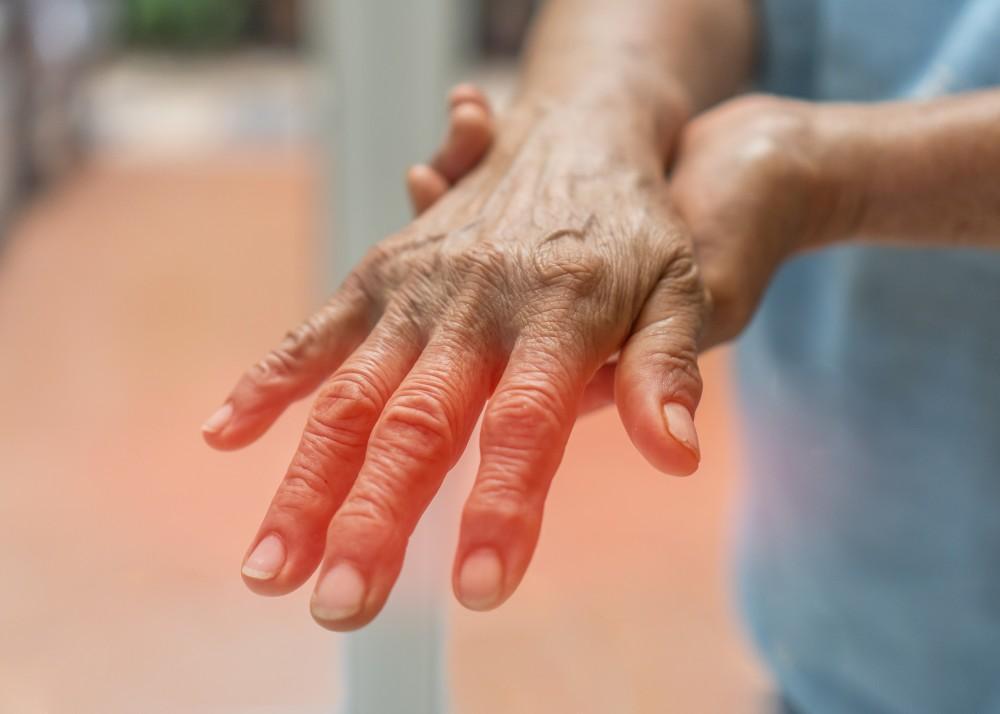
Peripheral neuropathy is nerve damage affecting the peripheral nerves, the network that carries signals between the brain and spinal cord and the rest of the body. When these nerves are injured, the messages travelling to and from the hands, feet and internal organs are disrupted, producing numbness, tingling, burning pain and weakness. Diabetes is the single most common cause, but the condition has many triggers, and early diagnosis makes a real difference to how well the nerves recover.
On this page
What is peripheral neuropathy?
Peripheral neuropathy develops when the nerves that lie outside the brain and spinal cord, the peripheral nerves, are damaged. These nerves are responsible for carrying signals in both directions: instructions from the brain out to the muscles, and sensory information from the skin, joints and organs back to the brain. When that two-way communication breaks down, the affected part of the body may lose sensation, feel abnormal pain, or stop responding to muscle commands properly.
The problem can involve a single nerve or many nerves at once. In most patients it begins in the longest nerves first, which is why the feet and hands are usually affected earliest and most noticeably.
The three types of peripheral nerves
Each group of peripheral nerves carries out a specific job, and the symptoms a patient notices depend on which type is damaged.
Symptoms to watch for
Symptoms usually build up gradually and often start in the feet before spreading upward. Common signs include:
- Numbness, stabbing or burning pain in the hands and feet.
- Pain that often worsens at night, especially while lying down.
- Loss of balance and frequent falls.
- Muscle weakness and wasting, sometimes with a constant sensation of wearing gloves or socks that are not there.
- Reduced ability to feel heat or cold, which raises the risk of unnoticed burns and injuries.
- Excessive sweating, loss of bladder control, swings in blood pressure and dizziness when autonomic nerves are involved.
What causes peripheral neuropathy?
Peripheral neuropathy is not a single disease but the end result of many different conditions. The most frequent causes include:
How to prevent it
Many cases can be prevented or slowed by protecting nerve health and controlling the conditions that damage nerves. A healthy lifestyle is the foundation.
Exercise regularly, aiming for 30 to 60 minutes a day on at least five days a week to improve circulation to the nerves.
Avoid harmful habits, especially smoking and excessive alcohol.
Control diabetes tightly, since keeping blood sugar in range is the most effective single step for anyone at risk.
How it is diagnosed
Diagnosis begins with a clinical examination and is confirmed with tests that pinpoint which nerves are affected and why. At Mar Sleeva Medicity Palai these include:
Treatment options
Treatment aims to address the underlying cause, relieve pain and protect nerve function. The right combination depends on what is driving the neuropathy and how far it has progressed.
Frequently asked questions
Can peripheral neuropathy be cured?
Why is the pain worse at night?
Is peripheral neuropathy linked to diabetes?
When should I see a doctor?
This article is for general information and awareness only. It is not a substitute for professional medical advice, diagnosis or treatment. Please consult a qualified doctor for any health concern.

Dr. Sareesh Kumar M K
Senior Consultant and Head - Neurosurgery & Spine Surgery
MBBS, MS , MCh (Neurosurgery )
Related Blogs
വെരിക്കോസ് വെയ്ൻ
Dr. Jibin K Thomas

ചലന വൈകല്യ പരിഹാര ചികിത്സ ആയുർവേദത്തിൽ
Dr. S Jayakumar
കരൾ രോഗങ്ങൾ: ലക്ഷണങ്ങൾ, കാരണങ്ങൾ, പ്രതിരോധം
Dr. Prijith Abraham Thomas

പാമ്പ് കടിയേറ്റാൽ എന്ത് ചെയ്യണം? ജീവൻ രക്ഷിക്കാൻ അറിയേണ്ടത്
Dr. Anju Merry Devasia


